The first moment: how people came to need soap
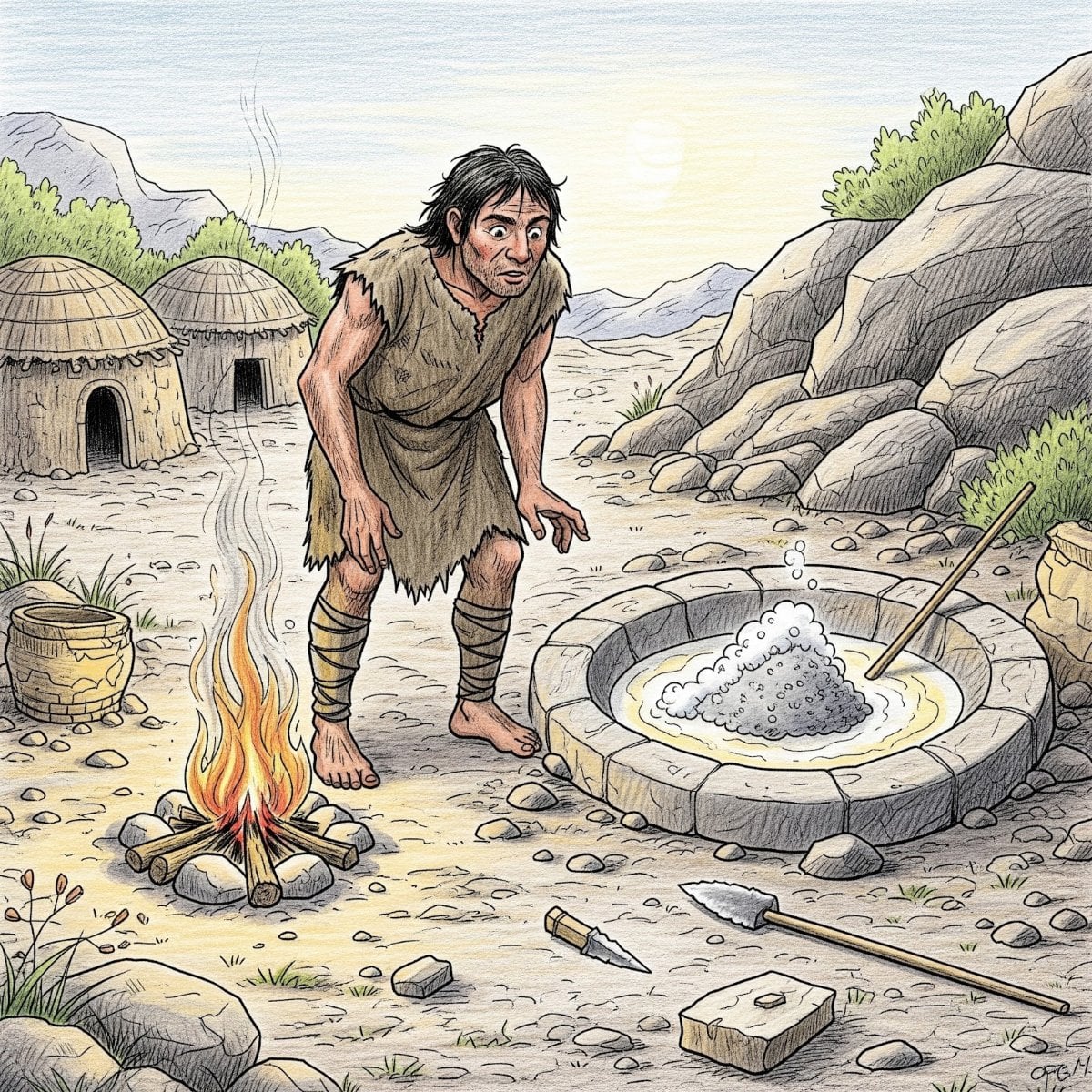
Thousands of years ago, no one knew soap as we know it. The need was already there: to lift dirt and oil from skin, from cloth, from cooking pots.
It began with animal fat and white ash
In ancient times, people noticed something curious. When fat dripped from roasting meat onto the white ash of the fire, and water was added to the mixture, a strange foaming substance appeared. They did not understand the chemistry. They saw the result: hands and fabrics came cleaner after being rubbed with it.
🔬 Today we call this saponification: an alkali reacting with fat. Every modern soap still rests on the same principle.
An old idea, in many hands
No single person or moment can be named, but several civilisations shaped the story.
🟡 Mesopotamia, around 2800 BC. The oldest recipes resembling soap appear on Babylonian clay tablets, describing a blend of animal fats, ash and water for cleaning cloth.
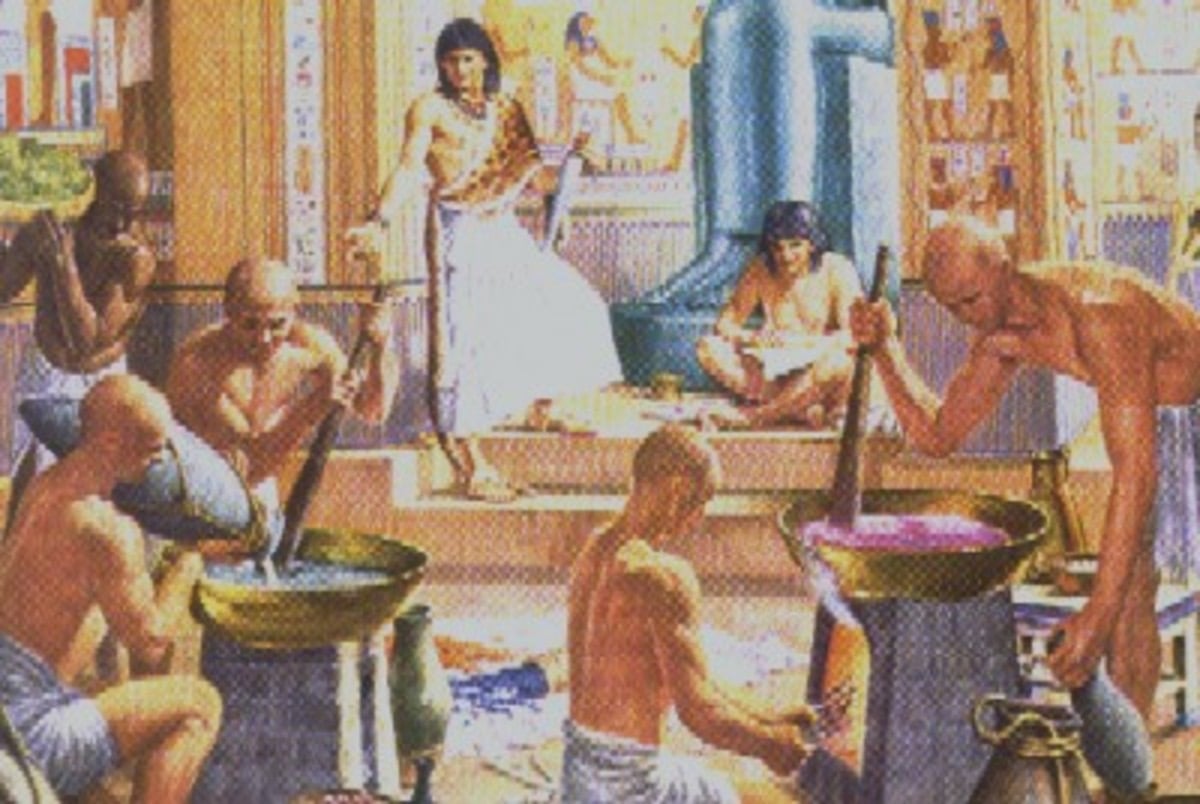
🟢 Ancient Egypt. Soap as we know it was not used for bathing, but the evidence points to mixtures of plant oils and alkalis for cleansing hair and body, notably in the Fifth Dynasty, around 2500 BC.
🟡 The early Arabs. Long before soap took its familiar form, cleanliness was already a practised art. In desert and dry lands, where water is precious, people developed clever ways of washing drawn from nature and long experience. Water came first. Clean clay and fine sand were used to rub away oil and sweat, and ground plants such as sidr to cleanse the body and hair. Plant oils, olive oil above all, were smoothed onto the skin and then removed with rubbing and water.
🔵 Greeks and Romans. The Romans made a kind of soap from plant oil and ash for the public baths, though by habit they preferred clay and sand with warm oil, rubbed over the body before entering the water.
Soap, then, was not one discovery. It was many trials, across many cultures.
Where true soap came to live, and the story of Aleppo
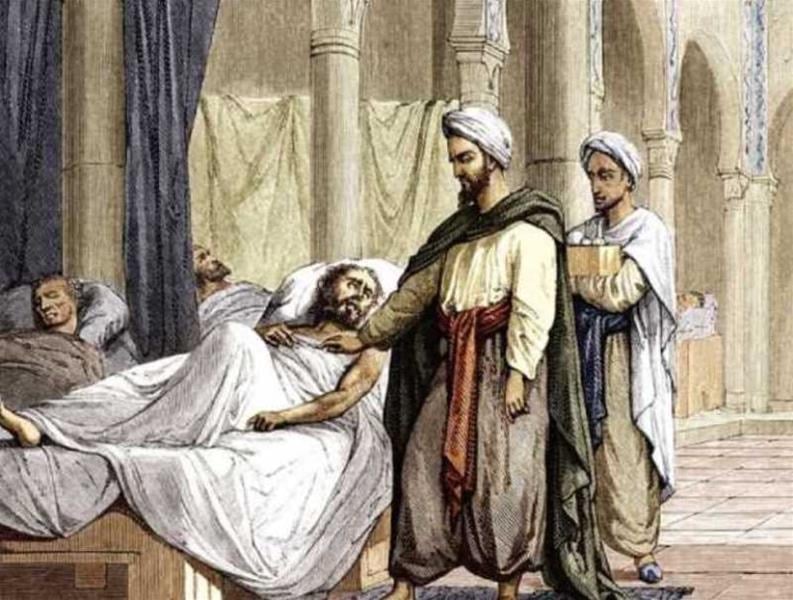
From the early Islamic era, in the seventh century and after, the Arabs did not stop at the old practices. They refined them. They were among the first to make soap a firm, regular bar that could be stored and carried. They brought in olive oil as the principal ingredient in place of animal fat alone, used plant alkalis with greater care, and began to fix their proportions.
🏙️ Arab cities as centres of soap making
Aleppo, Damascus, Nablus and Baghdad became known for their soap. Aleppo's stood apart.
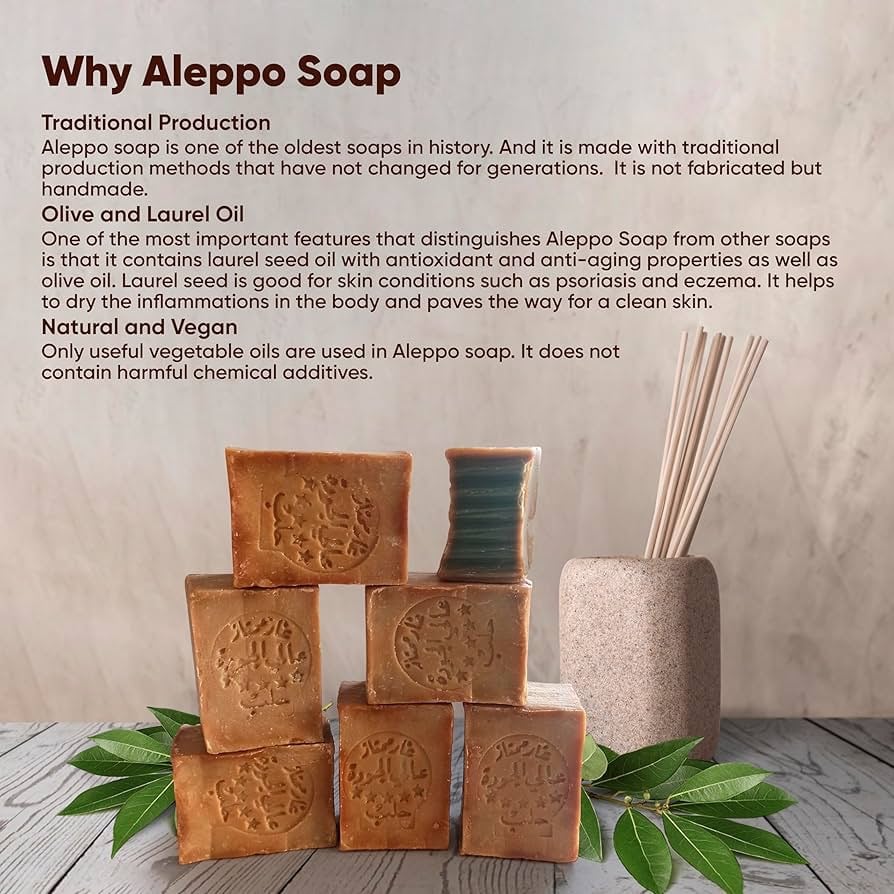
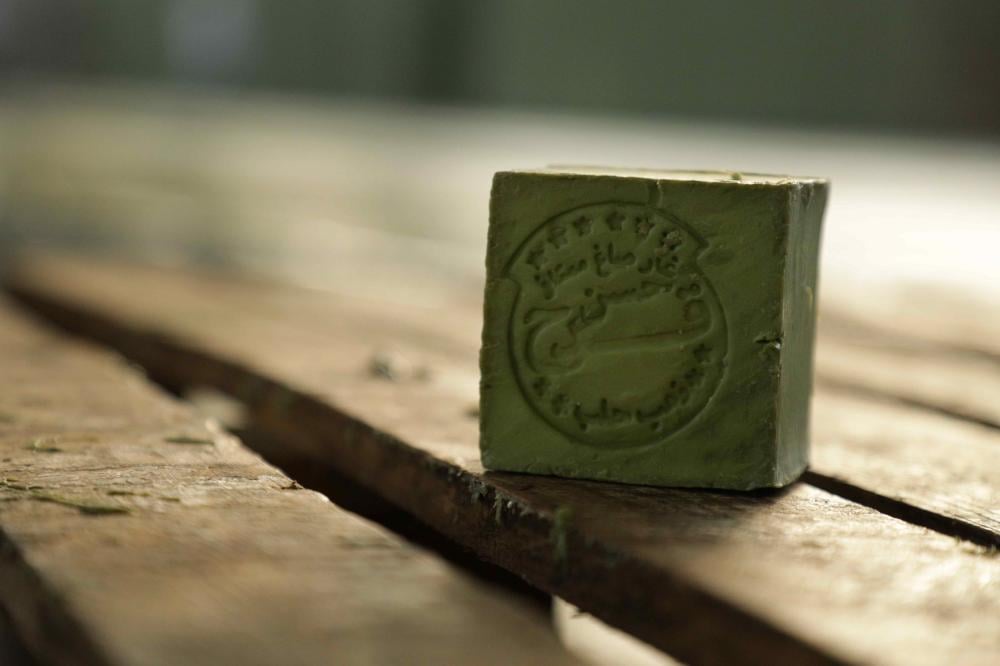
Aleppo soap, one of the oldest soaps in the world, appeared around the seventh or eighth century and is counted among the first hard soaps in history. It is made of olive oil, laurel oil and a natural alkali.
It was not chance alone. It was the old method perfected: better quality, careful control of alkali and natural oils, and a bar that could travel. That soap later reached Europe through Andalusia and the trade of the Mediterranean, and became the foundation on which European soap making was built.